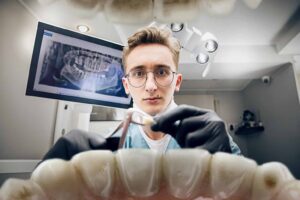
Jaw pain, stiffness or difficulty opening your mouth can make eating and speaking uncomfortable. These symptoms have several possible causes. A dentist or doctor can assess whether a temporomandibular disorder (TMD) is involved and discuss appropriate care. This guide explains when to seek help and what evidence-based treatment usually involves in Hyderabad.
What is TMD?
The temporomandibular joints (TMJs) connect the lower jaw to the skull, one on each side. TMD is a group of conditions affecting these joints, the chewing muscles or both. The National Institute of Dental and Craniofacial Research (NIDCR) notes that symptoms often improve without intensive treatment. The cause is not always clear, so a diagnosis should come before any procedure.
Signs that merit an assessment
Jaw pain or tenderness
Pain in the chewing muscles or jaw joint, especially during chewing, may point to TMD. Pain can also spread toward the face or neck. Other dental or medical problems can cause similar symptoms.
Difficulty opening or a locking jaw
Stiffness, restricted movement or a jaw that locks should be evaluated. Seek prompt care if you cannot open or close your mouth normally, especially after an injury.
Painful clicks or grating
A click alone is common and usually needs no treatment. A click accompanied by pain or limited movement is more useful information for the clinician assessing you. A sound does not by itself prove that a disc is displaced.
Headache or ear symptoms
Some TMDs are associated with headache, ringing in the ears or dizziness. These symptoms have many possible causes. Tell your dentist or doctor about them rather than assuming the jaw is responsible.
What happens at a consultation?
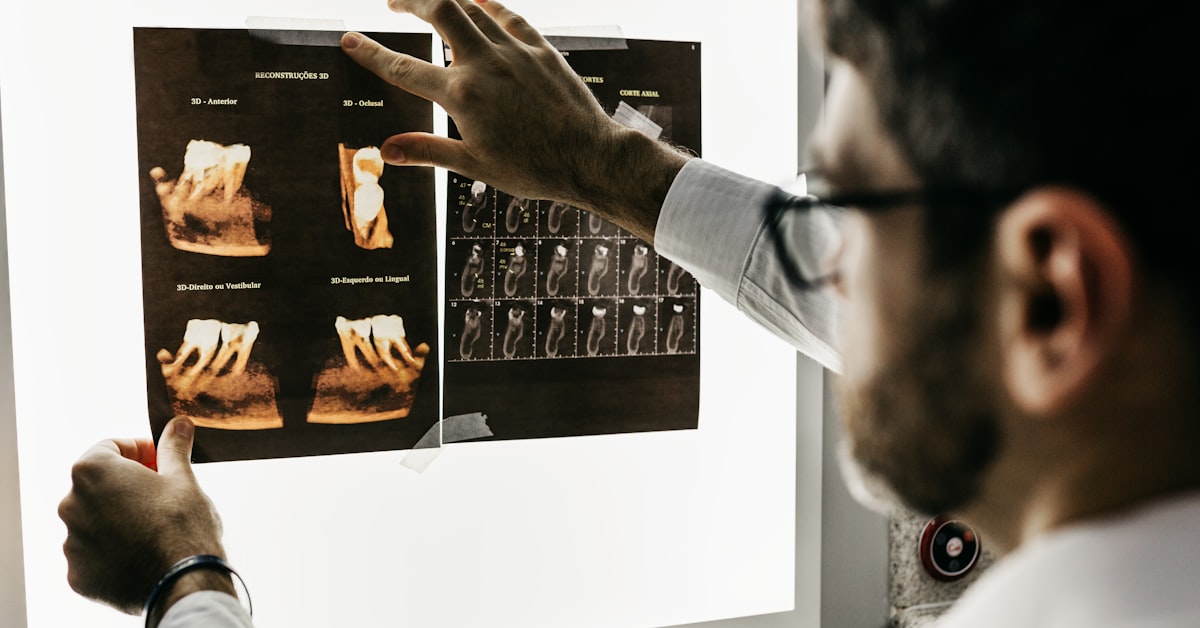
A clinician may ask when the pain started, what makes it better or worse, whether you have had an injury, and whether you have other pain or health conditions. They may examine jaw movement, muscles, teeth and the area around the joints. Imaging is considered when the history and examination indicate a need; it is not automatically required for every click. A doctor or dentist may need to rule out other conditions. Read more about dental care at Infinite Smiles or contact the Banjara Hills clinic to ask about an appointment.
Conservative care usually comes first
According to the NIDCR, simple, reversible steps are usually the starting point: softer foods for a short period, heat or cold as advised, gentle jaw exercises, and reducing habits such as clenching or gum chewing. A clinician may discuss suitable pain medicine after considering your health and other medicines. Physical therapy and self-management strategies can help some people.
A dentist may suggest a removable oral appliance in selected cases. Evidence that appliances relieve TMD pain is limited; it should not permanently change your bite, and you should report new pain or a change in how your teeth fit. The treatment plan depends on your diagnosis and response, so no fixed recovery time or permanent cure can be promised.
Be cautious with permanent bite changes
The NIDCR advises against routinely changing the teeth or bite to treat TMD. Grinding down teeth, crowns, orthodontics or extensive reconstruction have not been shown to reliably treat TMD and may worsen symptoms in some cases. If any irreversible procedure is proposed for jaw pain, ask how it addresses your specific diagnosis, what the risks are, what simpler options have been tried, and whether an independent second opinion would help.
Frequently asked questions
Does jaw clicking mean I need treatment?
Usually not if there is no pain or limitation. Mention new or painful clicking at your next appointment.
Can a night guard cure TMD?
No appliance can be promised as a cure. A removable appliance may be considered for selected patients, but its effect on TMD pain is uncertain. It should not alter your bite permanently.
How long does treatment take?
It varies by the condition and the person. Many symptoms improve with simple care, while persistent or complex pain may need further evaluation. Your clinician can review progress and adjust the plan.
Who should assess jaw pain?
A dentist or doctor can begin an assessment. They may refer you to an appropriate specialist when the cause is unclear, symptoms persist or more complex treatment is being considered.
Discuss your symptoms with Infinite Smiles
If jaw pain, locking or limited opening is affecting daily life, request an appointment at Infinite Smiles in Banjara Hills, Hyderabad. Describe your symptoms when you contact the clinic so the team can advise on the next step. For more patient information, see MedlinePlus on TMD and the NIDCR guide.