
Dental myths can lead to missed check-ups, damaged enamel or unnecessary treatment. Here are ten common claims, what the evidence says, and a practical step you can take. The advice is general; a dentist can tailor it to your mouth and medical history.
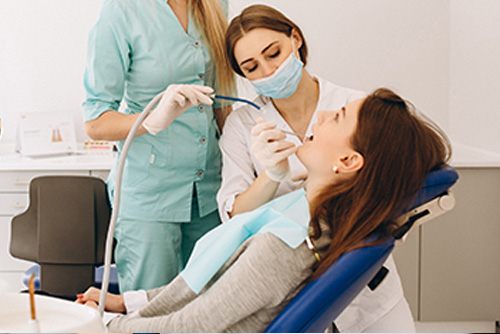
Dental myths about drinks, brushing and daily care
1. “Sugar-free soft drinks cannot harm teeth”
Even without sugar, many fizzy drinks are acidic and can contribute to enamel erosion. Water is usually the better everyday drink. The American Dental Association (ADA) explains dietary acid and enamel.
2. “Brushing harder cleans better”
Use a soft-bristled brush and gentle, short strokes. Scrubbing forcefully is unnecessary and may irritate gums or wear tooth surfaces. Brush twice a day for two minutes with fluoride toothpaste, following ADA brushing guidance.
3. “If nothing hurts, my teeth and gums are healthy”
Some oral conditions cause little or no pain at first. Gum disease, for example, may be painless. Regular dental examinations can find concerns early. The right review interval depends on your risk and your dentist’s advice.
4. “Brushing replaces cleaning between teeth”
Toothbrush bristles cannot reach every space between teeth. The ADA recommends cleaning between teeth once a day; floss, interdental brushes or another suitable tool may work depending on the spaces and dental work you have. Ask your dentist to show you a method you can use comfortably.
5. “Baby teeth do not matter because they fall out”
Primary teeth help children chew and speak, and decay in them can cause pain or infection. Start age-appropriate cleaning as teeth erupt and seek dental advice about your child’s needs. See the ADA guide to children’s dental health.
6. Dental myths: “Bleeding gums are always normal”
Bleeding can happen for several reasons, including a new flossing routine or brushing too hard, but repeated bleeding may signal gum disease. If it persists or concerns you, arrange an examination. The ADA bleeding-gums guide explains when to seek advice.
7. “Oil pulling can replace brushing and flossing”
There is no reliable evidence that oil pulling prevents cavities or improves oral health. It should not replace fluoride toothpaste, cleaning between teeth and regular dental care. See the ADA position on oil pulling.
8. Dental myths: “Lemon is a safe way to whiten teeth”
Acidic ingredients can damage enamel, and popular DIY methods may be ineffective or harmful. Ask a dentist about the cause of discoloration and suitable options. Read the ADA guide to natural whitening claims and our teeth-whitening information.
9. “Chewing sugar-free gum is enough to prevent cavities”
Sugar-free gum can increase saliva and may help after meals, but it does not replace brushing, cleaning between teeth or dental visits. If chewing causes jaw pain, ask a clinician before continuing. The ADA chewing-gum guide gives the limits.
10. “Adults no longer need fluoride toothpaste”
Fluoride helps protect teeth throughout life. The ADA recommends twice-daily brushing with fluoride toothpaste for adults. Ask your dentist whether you need a different strength or product because of your personal cavity risk.
What routine helps avoid these dental myths?
Brush gently twice daily with fluoride toothpaste, clean between teeth once daily, limit frequent sugary or acidic drinks, and arrange dental check-ups at an interval suited to your needs. If you have persistent pain, swelling, bleeding or a broken tooth, seek an assessment rather than relying on an online myth. For personalised advice at Infinite Smiles in Banjara Hills, Hyderabad, request an appointment.